
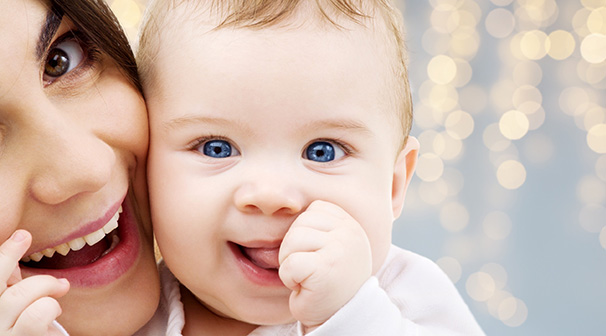
Baby teeth are adorable and cute, but they can be an annoyance to new mothers and fathers as they may seem unimportant because they are not permanent. So why put it the effort to be diligent with proper oral care? Well, they serve a critical role in a child’s development, physically and emotionally, so it’s never too early to start thinking of implementing a daily oral health routine.
Without healthy baby teeth, your child may pay the price in more ways than you think. Baby teeth are monumentally important at every stage from teething and growing to becoming loose and falling out.
So, what is the importance of baby teeth?
First of all, they make room in the mouth for adult teeth. They also allow young children to learn proper eating habits, hygiene, and speech habits. Here are some benefits and insights into early dental health.
Room for Adult teeth
Have you ever seen a baby’s mouth filled with adult teeth? No! And that is for a reason. Baby bodies are small so that they can grow to their full potential and baby mouths are the same way. Baby teeth are for baby mouths because that is where they fit, but they save room for adult teeth to grow in. Once adult teeth are at maturity within the gums, baby teeth roots dissolve, the tooth becomes loose, and falls out. Baby teeth essentially act as placeholders.
Eating Habits
Babies and infants are blank slates that must learn how to be human, and that includes basic human functions such as chewing and swallowing. Babies begin with liquid milk or formula which is easy to ingest, but as they get older, they require more complex nutrition—nutrition that must be chewed. Baby teeth allow infants to slowly learn the art of chewing and swallowing of harder and more dense foods.
Speech Habits
Words are sounds from our throat combined with the shape of our mouths and the movement of our tongues against our teeth. How we move our mouths and tongue against teeth is how we get different pronunciations. As babies learn to talk in their given language, it is essential that they have teeth to do so.
Hygiene
Many hygiene practices are learned at an early age—bathing, cleaning yourself after going to the bathroom, and brushing your teeth. As teeth are essential to language and eating food, it is also essential that we learn to care for them early on and set these hygiene habits in stone.
Teething
Teething is when the first signs of teeth come through a baby’s gums, usually between 4 and 7 months. It can be a difficult time for both children and parents as it can cause excessive drooling, pain, and crying. Every baby goes through this process, so it is important to understand the signs of teething as well as remedies.
Signs of Teething
• Swollen or Tender Gums – Baby teeth are literally pushing through the gum layer to reach the outside. During this time, gums may be swollen and sore as the teeth make their way through.
• Crying and Irritability – Teething is not a painless process and the only way for babies to express their pain is through tears and fussiness.
• Chewing – Teeth are new to babies, and as such, they want to experiment with them. They may begin gnawing on their lips or chewing objects. Do be careful of lip gnawing as it can cause soars and damage.
• Drool – Babies tend to drool a lot when they are teething, which may cause a rash.
• Rubbing Cheeks or Pulling Ears – New teeth can be uncomfortable, so babies may rub their cheeks or pull their ears in an attempt to relieve their discomfort.
• Changes in Eating or Sleeping – Like stated above, teething is uncomfortable so it may keep them awake at night or alter their eating patterns.
Teething Remedies
• Cold – To ease the discomfort and pain, put a cold substance in your baby’s mouth such as a refrigerated toy or cold cloth. Make sure the object is not frozen or too cold as this may cause more pain.
• Cool Water – Water works just as well as refrigerated objects to ease discomfort, but the child should be at least 6 months old before liquid is used.
• Massage – Massaging your baby’s gums can also help, but be sure to clean your finger beforehand and only do this before the teeth have broken through the gum line as bites from baby teeth can be painful to you.
• Medicine – There are over the counter teething medicine available at your local pharmacy, but be sure to look at the age recommendation and be careful of dosages.
Overview
Baby teeth are natural but they can be painful to both you and your child. Remember that baby teeth are important to both oral and mental development, so it is important to take care of them and ease your baby through the teething process. If your child is having teething issues or baby teeth cavities, be sure to contact your local dentist.
Find a Family Dentist Near You
Get on the right track with your child’s oral health by visiting the dentist when the first tooth appears or around 12 months. Tooth decay is not fun at any age and can be prevented early on so your child can get the most out of their baby teeth before they are gone.
Our Walled Lake Dental Office is the ideal place for family and children’s dentistry. We are a full-service dental clinic that provides an array of services from general dentistry and dental treatments to cosmetic dentistry and smile restoration. Dr Hechtman and his staff are experienced and committed to providing the best dental care possible for each patient, including children. Get on track with optimal dental health and schedule a Free Consultation today!